We received an actual printed zine! Our thanks to Joe Aspler who scanned it so we could post it on line.
We used to trade with Memphis, then they disappeared. This may be a resurrection? Memphen 283 fanzine

We received an actual printed zine! Our thanks to Joe Aspler who scanned it so we could post it on line.
We used to trade with Memphis, then they disappeared. This may be a resurrection? Memphen 283 fanzine
From the BBC, a look at some interesting early ideas on what aliens might look like.
https://www.bbc.com/future/article/20231019-the-weird-aliens-of-early-science-fiction
In October 1961, Betty and Barney Hill sat down with an astronomy lecturer at their home in New Hampshire, and made an extraordinary claim. The previous month, they had been snatched by aliens! Their description of the little grey creatures became the archetypal alien of movies and TV. But before then, the aliens that came from our fevered imaginations were much weirder!
 Lots more zines have been arriving in the mail! In order of reception:
First, some updates to e-fanzines administered by Bill Burns
From Garth Spencer:
At last, from the fevered imagination that brought you mocha tea and the Mad Science Forum, we present OBDURATE EYE #32, the personalzine that should have appeared a week ago!
And also from Garth:
From the N3F:
Time’s Arrow_Jean-Paul L Garnier
And from Leybl in Israel, the war issue

A museum new release calls the specimen “unique” because of where it was discovered, the age of the rock around it, and how well it was preserved.

From Los Angeles:
We have an update from Bill Burns over at e-fanzines, and a few more zines to share.
Update from Bill:
http://www.monsffa.ca/wp-content/uploads/2023/10/ImpulseOctober2023PDF.pdf
We archive our documents on our website, so if you wish a look back in time, look for WARP and Impulse on the top menu bar.
From the earliest days of science fiction, space travellers travelled to the Moon, to Mars, to Venus, and to other planets as they were discovered. Early science fiction – before the late 199th century – treated the planets as just different earths. Science fictional tropes from the late 19th century right to the Space Age declared Mercury to be an oven on the side facing the sun and a freezer on the other. Venus was a planet of swamps, jungles, and dinosaurs. Mars was a cool desert planet, with all the water in the canals.
Then, science had its little say. Starting in the early 1960s, the first interplanetary probes knocked down the tropes of science fiction. Or as T.H. Huxley (1825 – 1895) put it: “The great tragedy of Science is the slaying of a beautiful hypothesis by an ugly fact.”
But have no fear, there were plenty of other ways to look at the planets … and more planets to look at.
Pictures and short video of MonSFFA’s visit to the Montreal Aviation Museum in Ste-Anne-de-Bellevue have been uploaded to our website and ca n be accessed by clicking the field trips menu item under activities. Or go directly to http://www.monsffa.ca/?page_id=28425
MonSFFA meets on the 14th of October, close enough to Hallowe’en for a celebration of monsters, Jack-o’-Lanterns, and their ilk.
Come costumed, bring your crafty ornaments and decorations! There might be prizes!
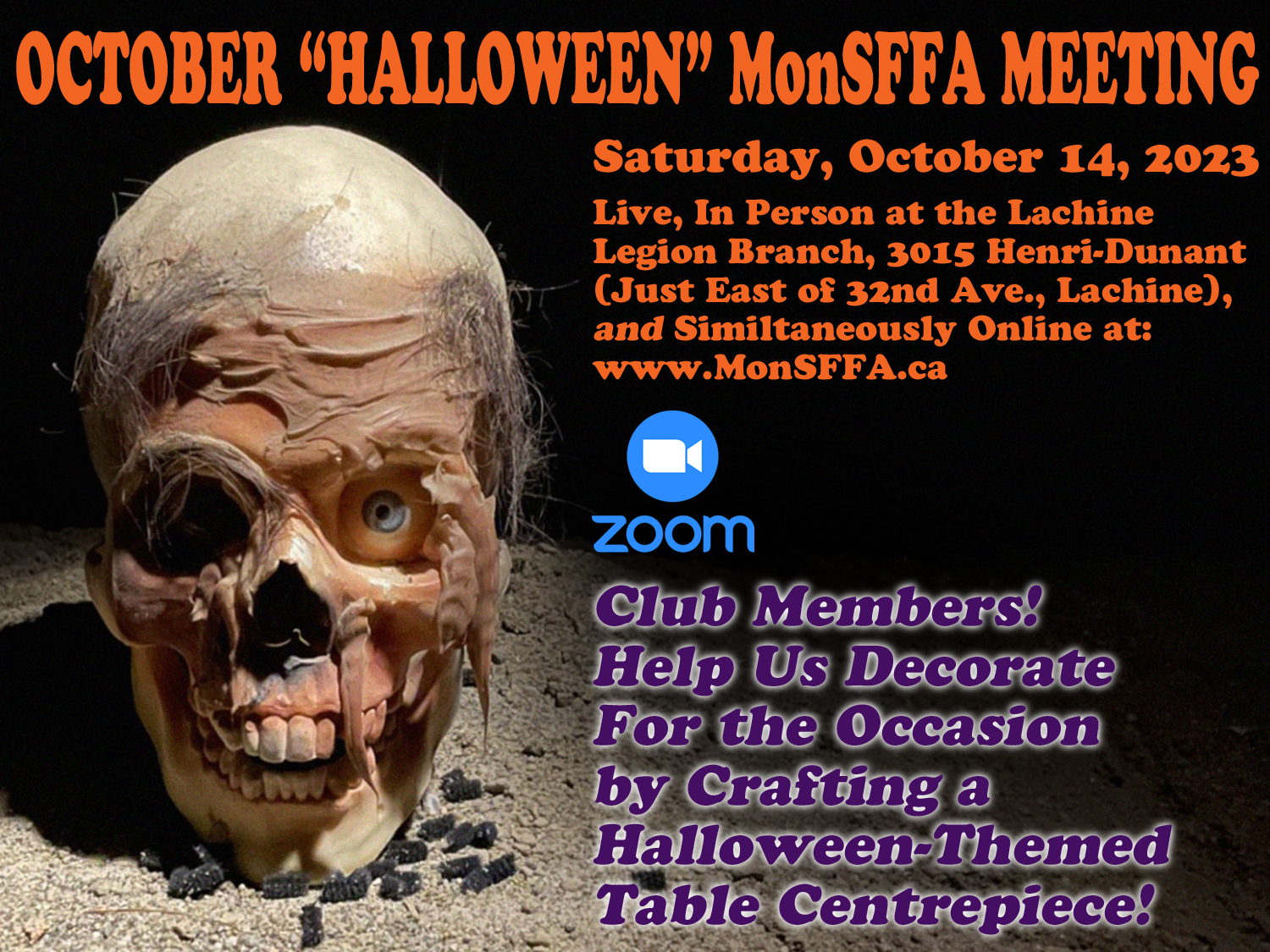
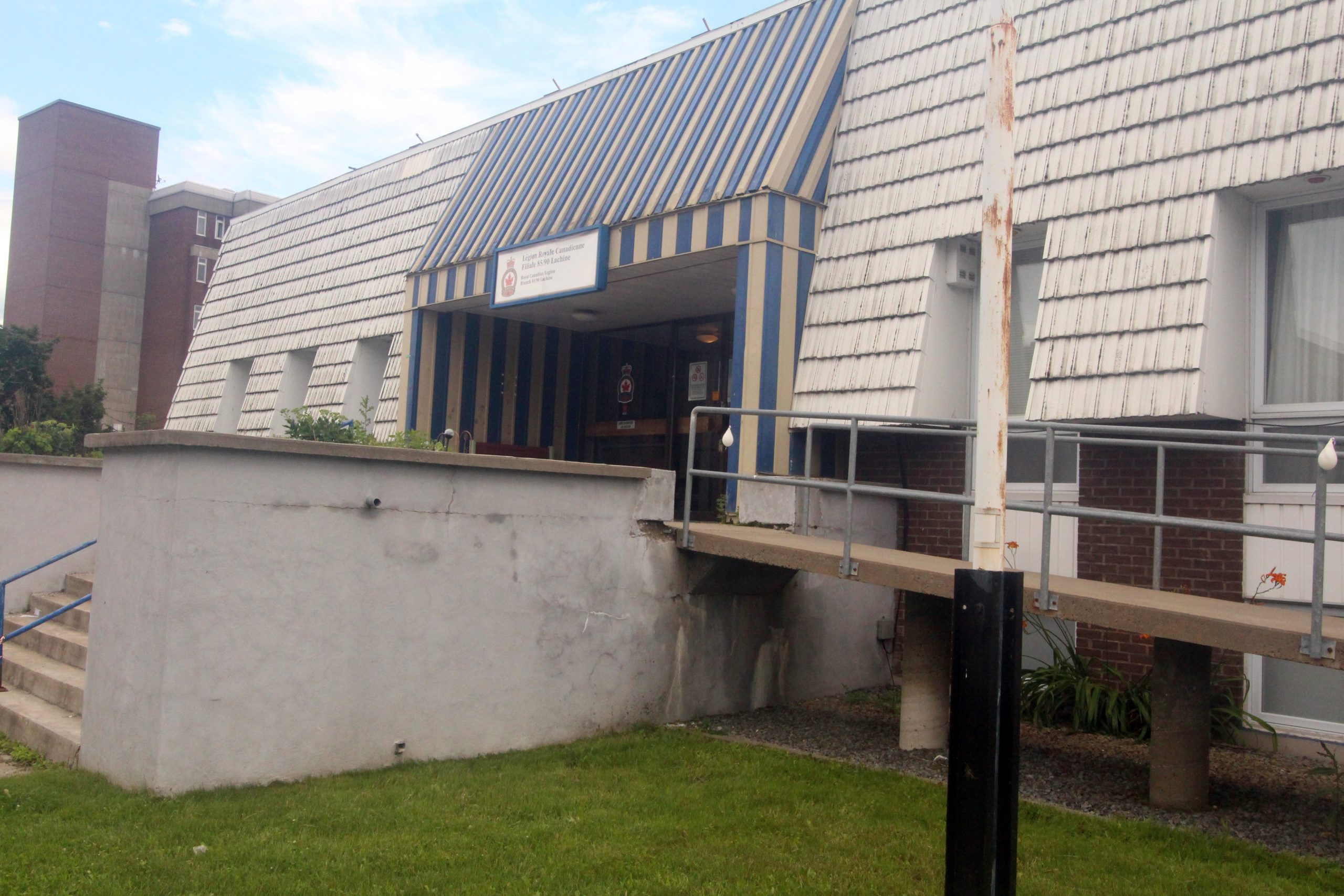
All fans invited to join us at the Royal Canadian Legion branch in Lachine: 3015 Rue Henri Dunant, Lachine, H8S 1R5