
From Los Angeles:
Zines to share!
We have an update from Bill Burns over at e-fanzines, and a few more zines to share.
Update from Bill:
- The October 2023 distribution of e-APA, the members-only electronic APA, is free for all to read
- Nic Farey’s This Here…#68
- Andy Hoope’s CAPTAIN FLASHBACK #58
- Alexiad #129 edited by Lisa & Joseph Major
- Octothorpe #93, a regular fannish podcast by John Coxon, Alison Scott and Liz Batty, is now on line
- Christopher J. Garcia’s The Drink Tank #451
Impulse for October is now available on line
Impulse is available for download. Click here here:
http://www.monsffa.ca/wp-content/uploads/2023/10/ImpulseOctober2023PDF.pdf
We archive our documents on our website, so if you wish a look back in time, look for WARP and Impulse on the top menu bar.
The Solar System Ain’t What it Used To Be
Join us for our October 14 meeting! The first of two presentations is by Joe Aspler:
The Solar System Ain’t What it Used To Be
From the earliest days of science fiction, space travellers travelled to the Moon, to Mars, to Venus, and to other planets as they were discovered. Early science fiction – before the late 199th century – treated the planets as just different earths. Science fictional tropes from the late 19th century right to the Space Age declared Mercury to be an oven on the side facing the sun and a freezer on the other. Venus was a planet of swamps, jungles, and dinosaurs. Mars was a cool desert planet, with all the water in the canals.
Then, science had its little say. Starting in the early 1960s, the first interplanetary probes knocked down the tropes of science fiction. Or as T.H. Huxley (1825 – 1895) put it: “The great tragedy of Science is the slaying of a beautiful hypothesis by an ugly fact.”
But have no fear, there were plenty of other ways to look at the planets … and more planets to look at.
View photos of the club’s visit to the MAM
Pictures and short video of MonSFFA’s visit to the Montreal Aviation Museum in Ste-Anne-de-Bellevue have been uploaded to our website and ca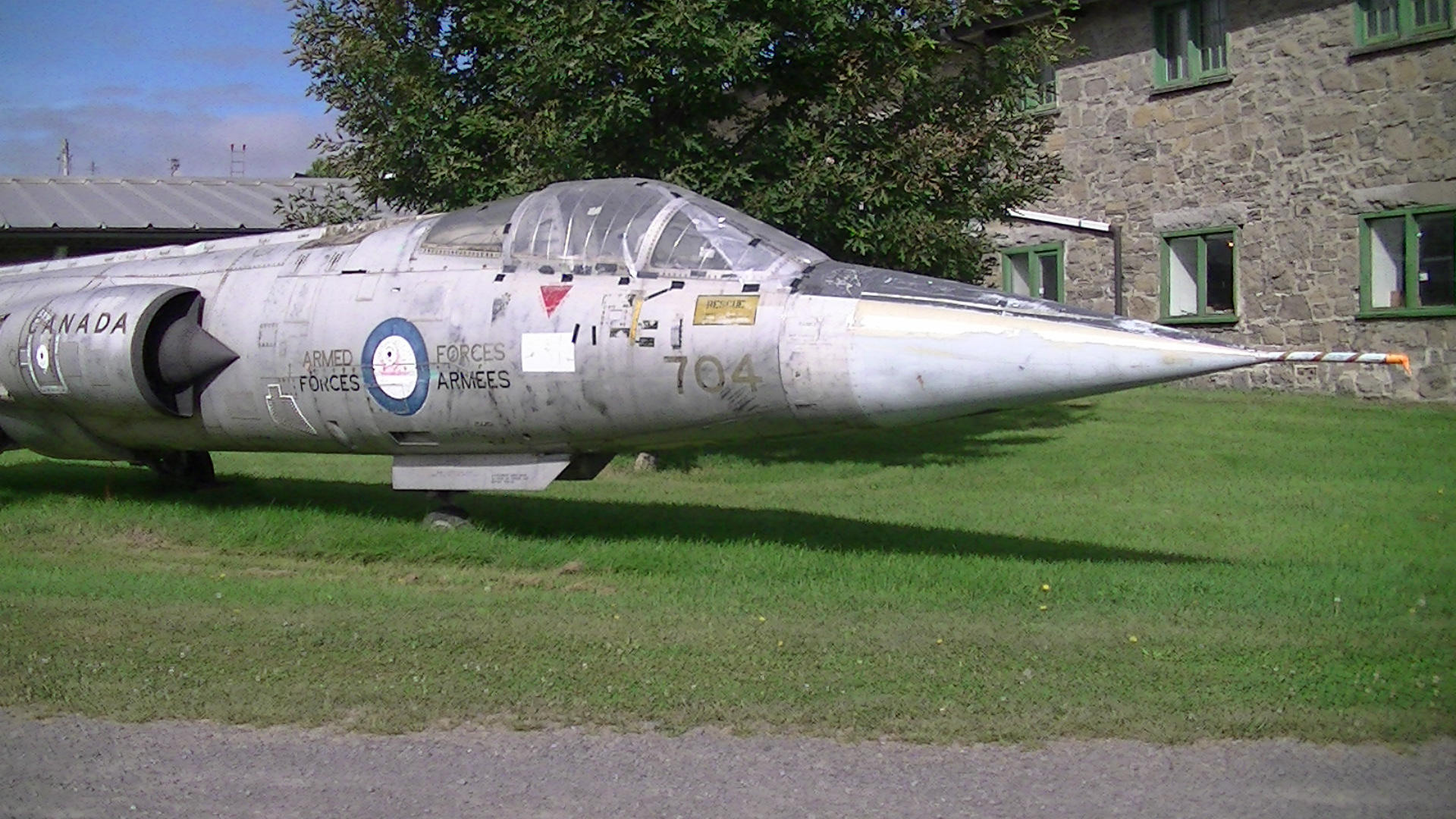 n be accessed by clicking the field trips menu item under activities. Or go directly to http://www.monsffa.ca/?page_id=28425
Hallowe’en to loom over MonSFFA meeting!
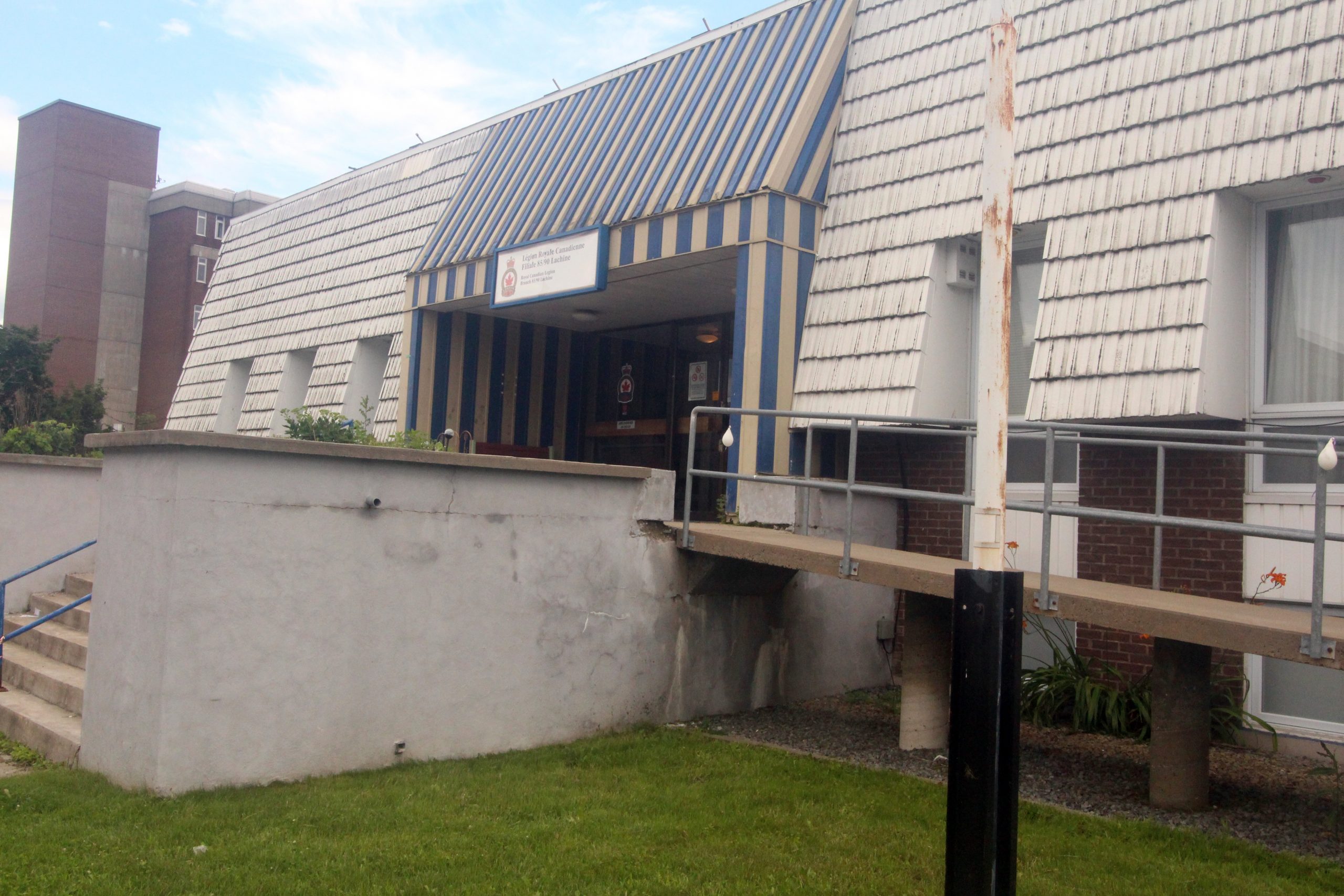
MonSFFA meets on the 14th of October, close enough to Hallowe’en for a celebration of monsters, Jack-o’-Lanterns, and their ilk.
Come costumed, bring your crafty ornaments and decorations! There might be prizes!
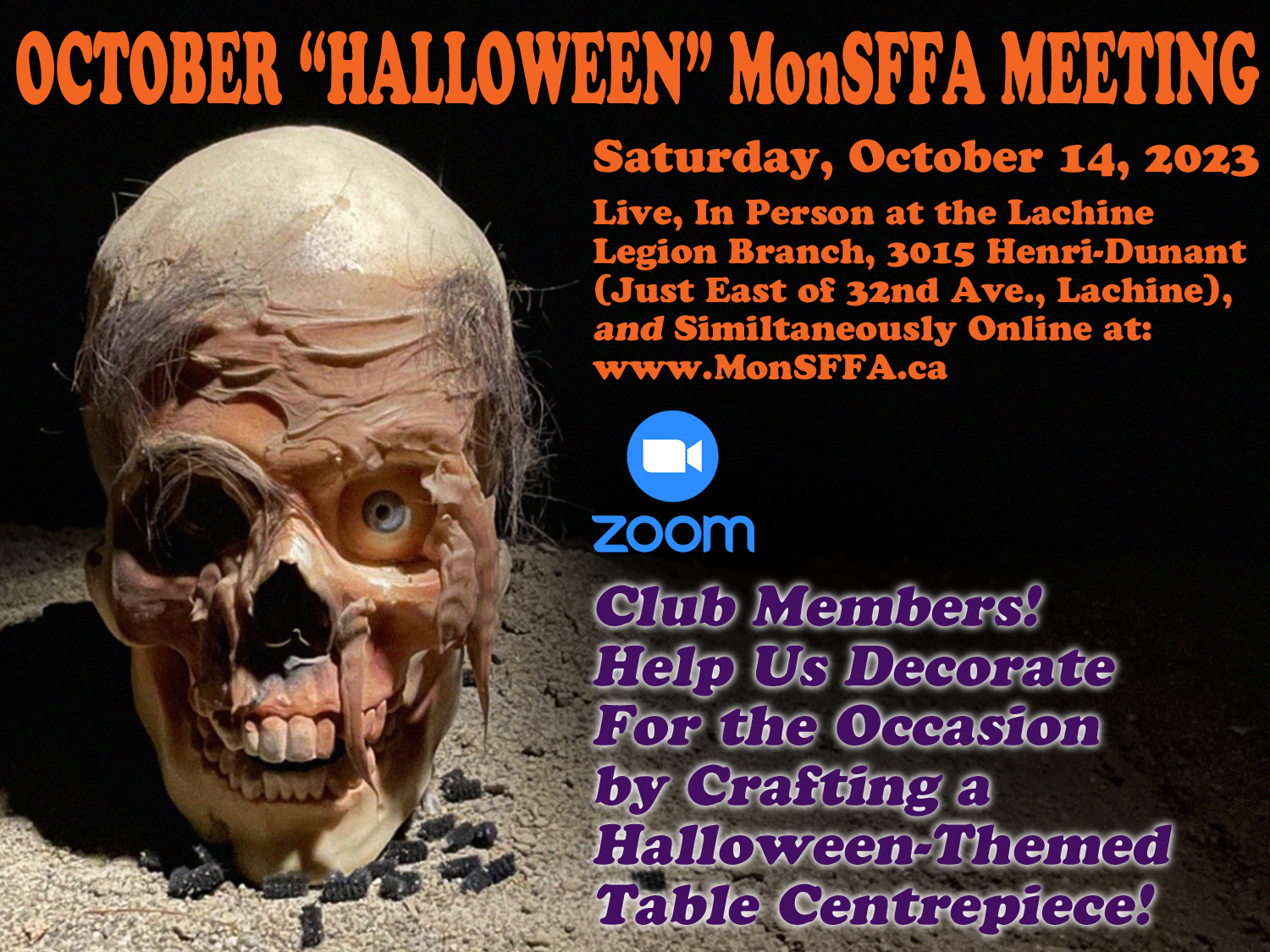
All fans invited to join us at the Royal Canadian Legion branch in Lachine: 3015 Rue Henri Dunant, Lachine, H8S 1R5
Osiris-Rex Successful Mission to Bennu
Osiris-Rex Successful Mission to Bennu
Bennu is an asteroid that could threaten the Earth, though the possibility is a narrow one. Still, a wise move to find out what it is made of, just in case we need to eliminate it sometime in the future. Besides that, the always important question: what are WE made of, what are the prime building blocks of our solar system? Asteroids are untouched remnants of the solar system’s formation.
Canada provided the instruments that made asteroid Bennu the most completely measured asteroid so far, and therefore will receive a portion of the sample for study. https://www.asc-csa.gc.ca/eng/satellites/osiris-rex/canadas-role.asp
The BBC has the story from the launch of the mission to the arrival at NASA, with videos here: https://www.bbc.com/news/av/science-environment-66907727
And of course the NASA site is a veritable rabbit hole, pictures, simulations, videos. https://www.nasa.gov/osiris-rex
But this isn’t the end of the story! OSIRIS-REx is now headed back out toward another asteroid. The spacecraft will arrive at Apophis in April 2029, around when the asteroid is expected to encounter Earth. A few years ago, Apophis was discovered to be on an actual collision course, which was the cause of a lot of excitement, but follow-up studies have it narrowly missing us. Whew! Good idea to learn about its composition. —Cathy
READ ALL ABOUT IT! NASA: https://www.nasa.gov/osiris-rex
CBC: An asteroid treasure box lands on Earth on Sunday — and Canada will get a piece of it
Canada played crucial role in OSIRIS-REx mission that collected asteroid fragments

A spacecraft that has travelled more than 950 million kilometres is dropping off a care package on Sunday: samples from an asteroid that lies more than 100 million kilometres from Earth.
NASA’s OSIRIS-REx (Origins, Spectral Interpretation, Resource Identification, Security-Regolith Explorer) launched in 2016 destined for an asteroid named Bennu. Its main mission: to stick an arm out, “high-five” the asteroid and then vacuum up some of the debris, referred to as “touch and go.”
It successfully did so in 2020. Now, the rocky samples — roughly 250 grams in total, the largest ever to return to Earth — are on their way to be studied by science teams, including those from Canada.
That’s thanks to our contribution of the OSIRIS-REx Laser Altimeter (OLA), an instrument that mapped out the asteroid in 3D in order to find a good place for the sample collection.
READ More: https://www.cbc.ca/news/science/osiris-rex-sample-return-1.6974159
BBC: Asteroid Bennu: Why the return of samples is so important… in 83 seconds
A capsule carrying precious samples from asteroid Bennu landed on Earth on Sunday.
Nasa scientists hope the material could give hints to how life here began.
BBC Science editor Rebecca Morelle explains why the samples are so important.
Update to e-fanzines
From Bill Burns at e-fanzines:
New today at https://efanzines.com are:
Octothorpe #92, a regular fannish podcast by John Coxon, Alison Scott and Liz Batty
Opuntia #557, edited by Dale Speirs
Leybl Botwinik’s CyberCozen – Sep 2023
Guy H. Lillian III’s Spartacus #68
—
Bill
OCTOBER 14 CLUB MEETING TO SHOWCASE HALLOWEEN TABLE DECORATIONS!
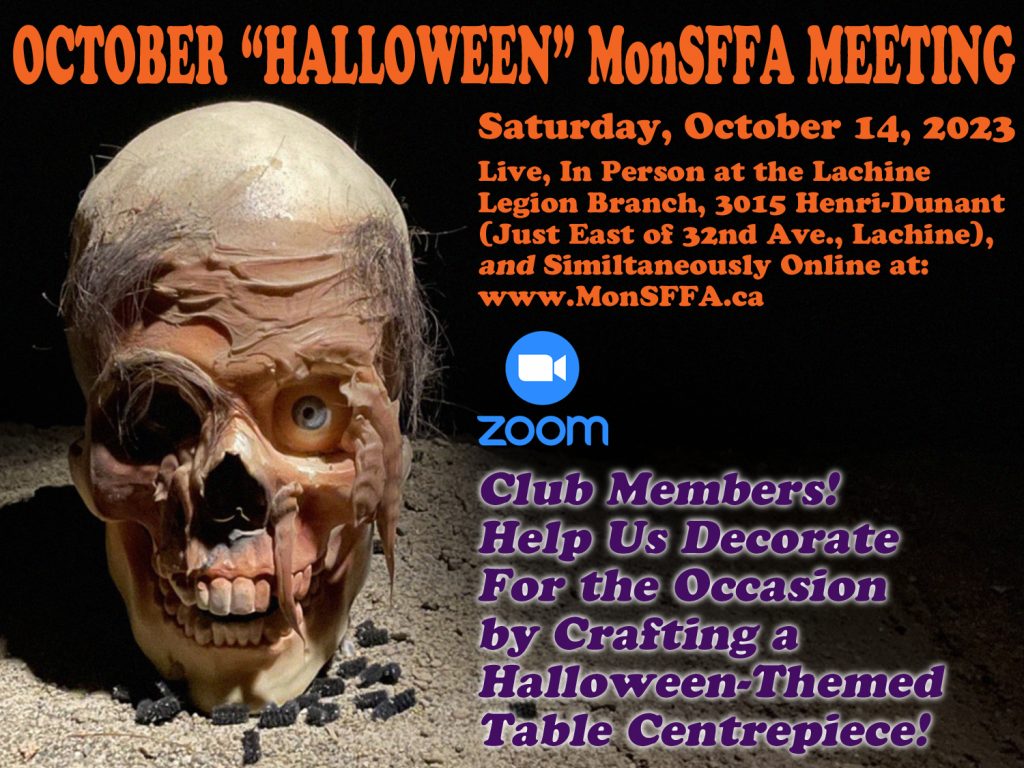 Our October 14 club meeting will feature a Halloween theme!

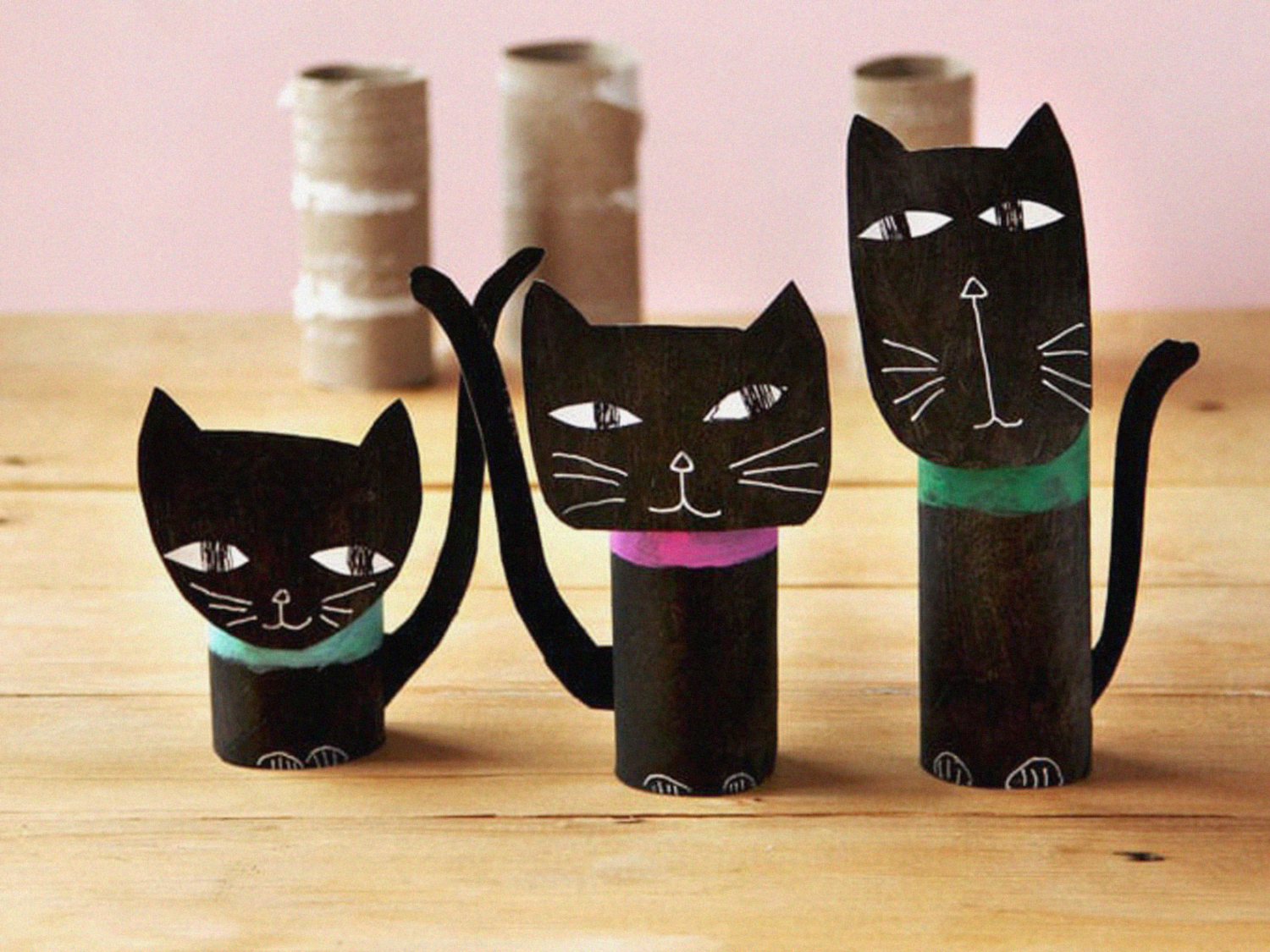
We are tasking club members with the creation of a Halloween-themed table centrepiece—a Jack-o-Lantern, perhaps, a spooky gravestone, cats, bats; use your imagination! And, consider adding something sci-fi to your scary creation!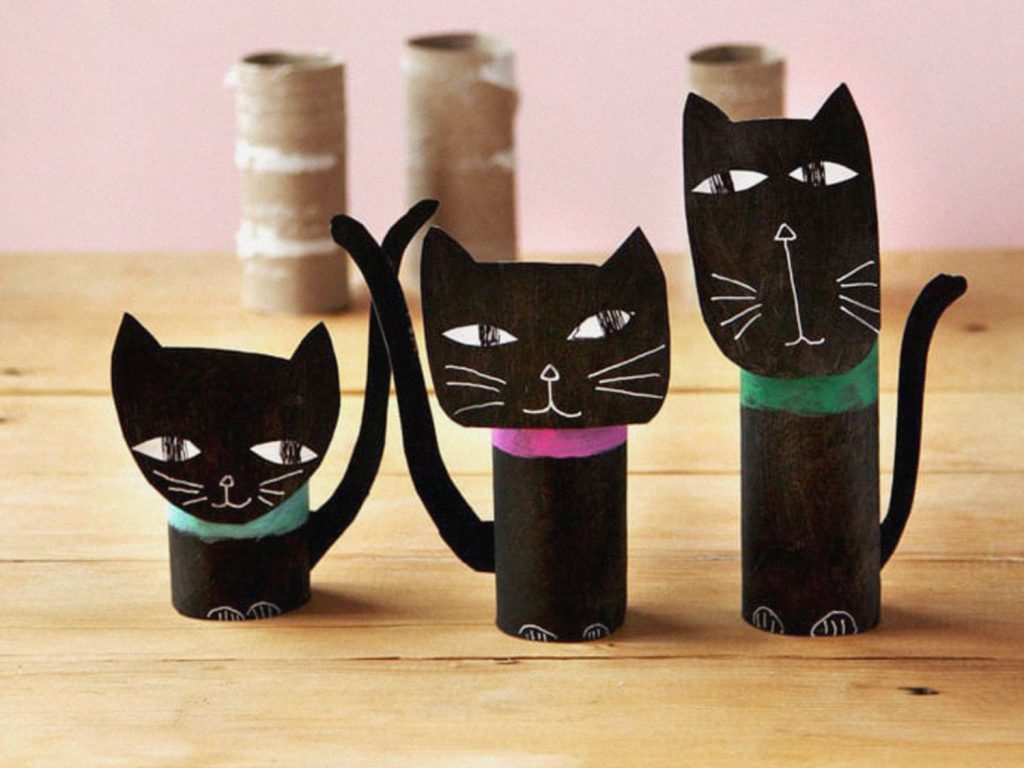
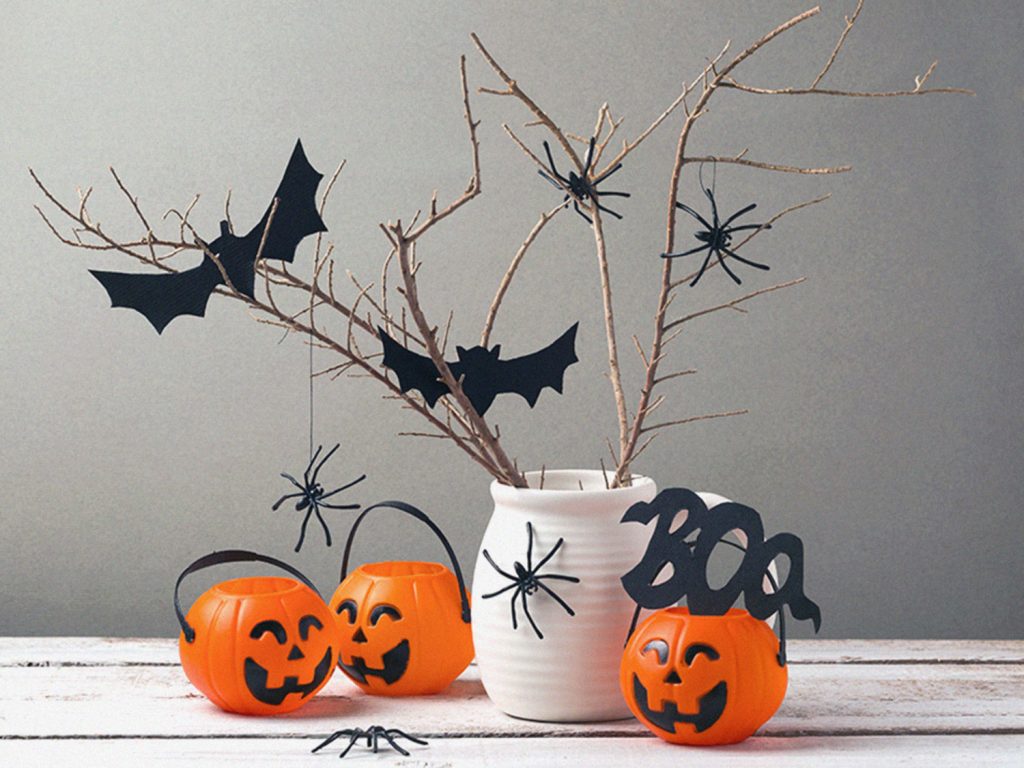
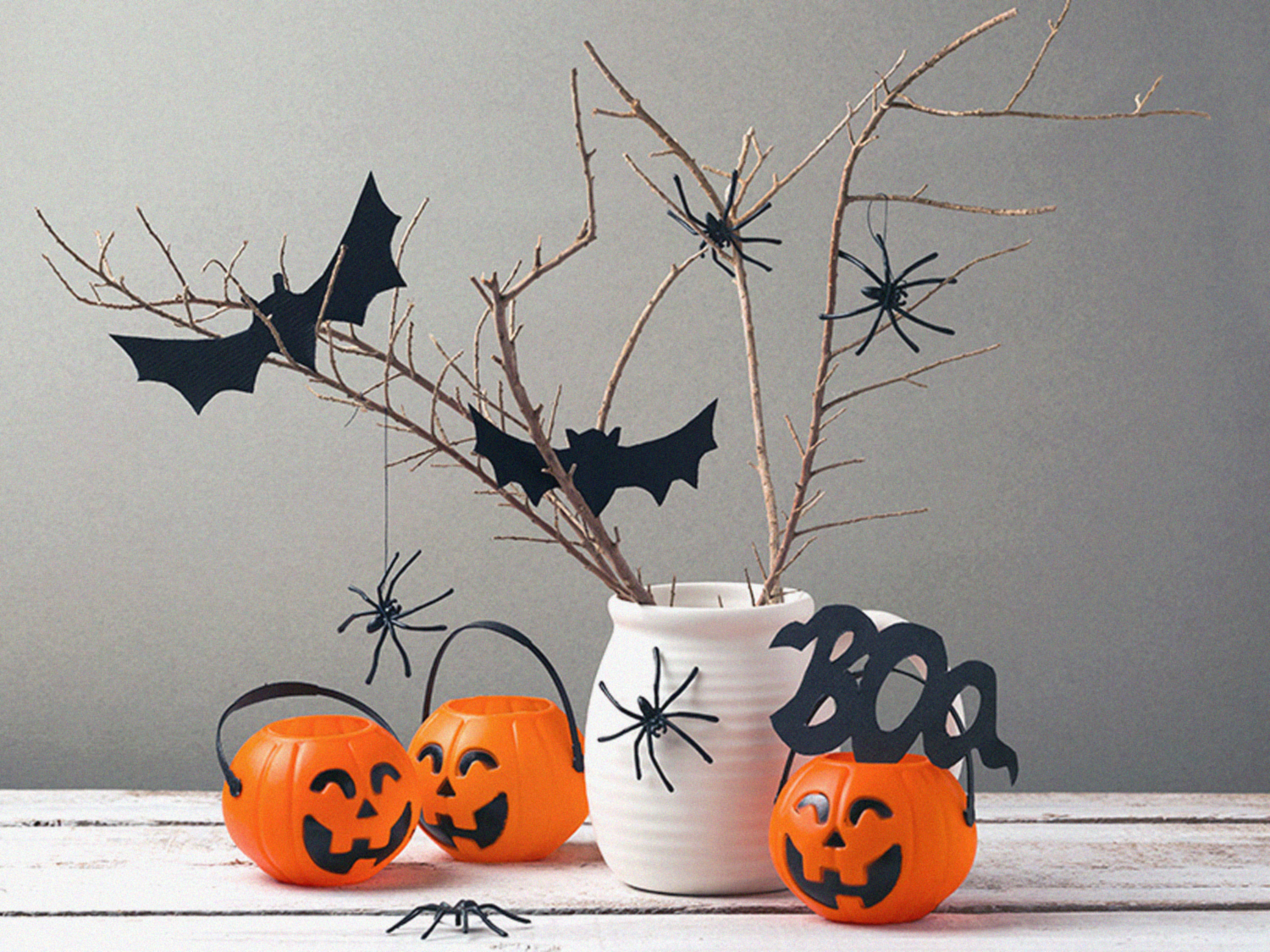
A visit to your local dollar store might provide a few props to utilize as part of your centrepiece!
Bring your finished creations in to our October “Halloween” meeting; your spooky centrepieces will be used to decorate the tables in our meeting room! Online participants may showcase their creations over ZOOM!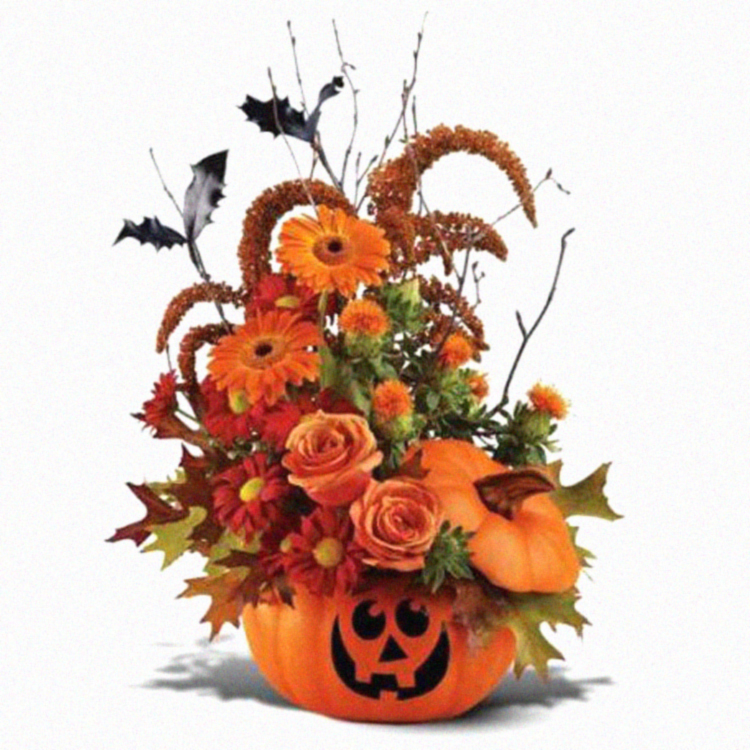
Jo Walton announces Scintillation 5
Jo Walton announces Scintillation 5
There will be a Scintillation 5! The dates will be June 14-16 2004 at the usual place: the China town Holiday Inn.