The nuclear reactors that could power bases on the Moon
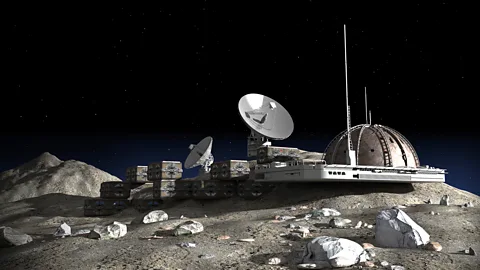
The 1970s TV series Space: 1999 began – like many a sci-fi drama – with a bang. A nuclear explosion tears the Moon out of Earth’s orbit and sends Moonbase Alpha and its inhabitants on an exciting adventure through deep space.
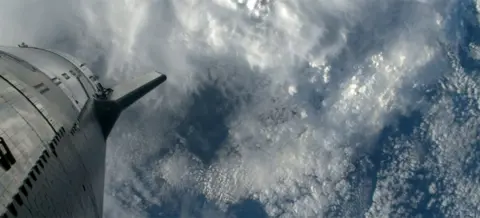
It obviously left an impression on a young Elon Musk. In 2017, when envisioning SpaceX’s plans for a future Moon base, he named it Alpha. Today, SpaceX is working with Nasa to return humankind to the Moon’s surface as part of the US space agency’s Artemis programme. The planned lunar outpost, however, has a more pragmatic working title: Artemis Base Camp.
Nasa and the US Department of State have issued combined guidelines for peaceful lunar exploration in the form of the Artemis Accords. So far 36 nations – including India, Japan, the UK, Canada, Australia, the United Arab Emirates and South Korea – have signed up.
China is also spearheading a base on the Moon with an equally practical title. The International Lunar Research Station, announced in 2021, currently has Russia, Belarus, Pakistan, Azerbaijan, Venezuela, Egypt and South Africa as signatories.
But whichever coalition builds the first base on the Moon, they will all need a reliable power source. Across the world many companies and space agencies have all come to the same conclusion.
“The truth is that nuclear is the only option to power a moonbase,” says Simon Middleburgh from the Nuclear Futures Institute at Bangor University in Wales.

![[]](https://mcusercontent.com/0c5fce34d5ca05f64a13d085d/images/d54b4ca9-9bb1-d6e6-cdad-c93c4ba7dde8.jpg)
![[]](https://mcusercontent.com/0c5fce34d5ca05f64a13d085d/images/6259d60f-6d8a-6cc6-0859-6ab1e2cdcf1e.jpg)
![[]](https://mcusercontent.com/0c5fce34d5ca05f64a13d085d/images/080706cf-b082-f290-ff20-e1be97b6effb.png)

![[]](https://mcusercontent.com/0c5fce34d5ca05f64a13d085d/images/cd3d84ff-554d-e2a1-7a6f-d6115a753e7c.jpg)